




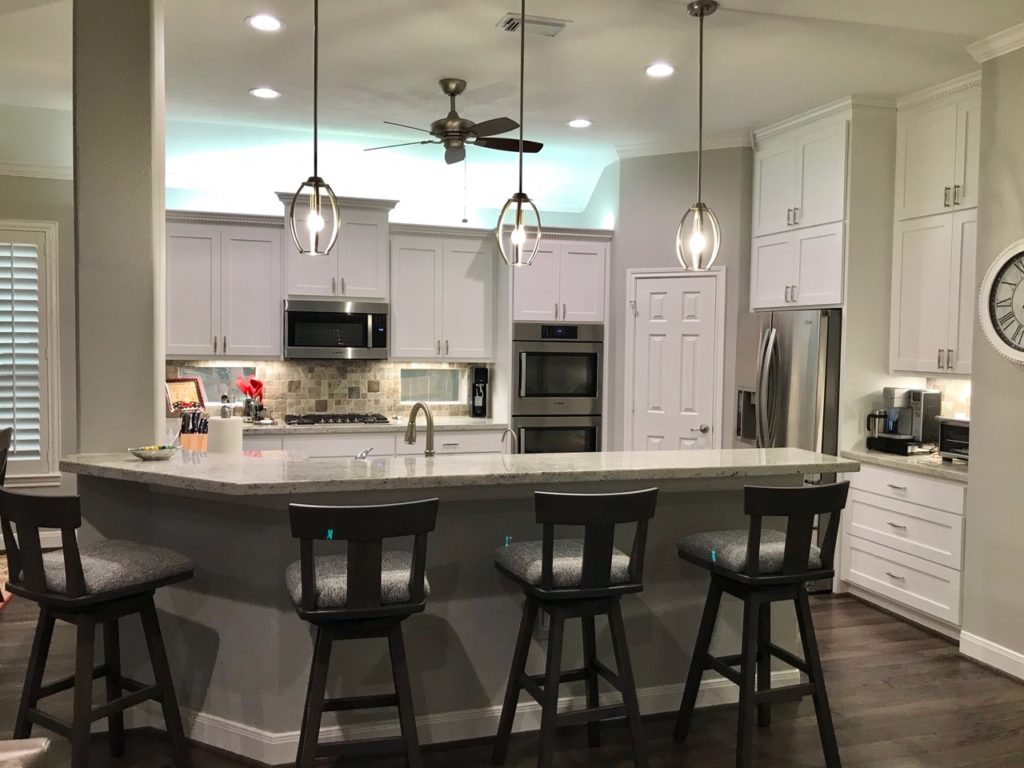
A kitchen renovation is one of the most valuable upgrades you can make to your home. It is also one of the easiest renovation projects to get wrong. Most kitchen remodel mistakes happen before construction even begins. Poor planning, rushed decisions, and unrealistic budgets create problems that last long term.
In this guide, we break down the most common remodeling mistakes homeowners make—and how to avoid them—so your project leads to a beautiful kitchen instead of frustration.
 Quick Takeaways
- Most kitchen remodel mistakes happen during planning, not construction.
- Poor kitchen layout decisions create daily frustration.
- Underestimating kitchen remodel cost leads to delays.
- Cabinet and material lead times can stall your renovation project.
- Skipping permits creates inspection and resale problems.
- Last-minute design changes increase cost and timeline.
- Working with a design-build team reduces coordination mistakes to avoid.
15 Kitchen Remodel Mistakes to Avoid
1. Starting Without a Clear Plan
The biggest remodeling mistake is beginning demolition without finalized kitchen designs.
When you change finishes, layouts, or materials mid-project, costs rise and timelines stretch. Every adjustment impacts labor scheduling and material ordering.
How to avoid it:
Finalize your kitchen layout, cabinet selections, appliance locations, and finishes before construction starts. A detailed plan protects both budget and timeline.
2. Ignoring the Kitchen Work Triangle
The work triangle—sink, stove, refrigerator—remains a foundational principle in kitchen design.
When these three points are too far apart or blocked by an island, workflow suffers. Even the most modern kitchen can feel awkward if movement patterns fail.
How to avoid it:
Prioritize flow before aesthetics. A beautiful kitchen must also function efficiently within the available kitchen space.
3. Underestimating the Budget
Many homeowners underestimate the true kitchen remodel cost. They focus on cabinets countertops and appliances but forget labor, permits, demolition, and contingencies.
Costs also increase when unexpected issues appear behind walls.
How to avoid it:
Build a 10–20% contingency into your renovation project. Review allowances carefully with your contractor or principal designer before work begins.
4. Choosing Style Over Function
Trends change quickly. Function lasts long term.
Open shelves may look great in photos, but they require maintenance. Glossy finishes may show wear. Oversized islands can overwhelm limited kitchen space.
How to avoid it:
Balance design choices with daily use. A modern kitchen should support cooking, cleaning, and storage without sacrificing practicality.
5. Skipping Proper Lighting Planning
Lighting mistakes are common in kitchen renovations.
Relying only on overhead fixtures creates shadows. Without task lighting under cabinets, prep areas suffer. Without ambient light, the room feels flat.
How to avoid it:
Layer lighting intentionally:
- Task lighting for prep areas
- Ambient light for overall illumination
- Accent lighting for design depth
Lighting should enhance both function and mood.
6. Not Planning Enough Storage Space
Lack of storage space leads to cluttered countertops and frustration.
Homeowners often underestimate how much space they need for cookware, pantry items, and small appliances.
How to avoid it:
Maximize kitchen cabinets with deep drawers, vertical dividers, and custom inserts. Evaluate pantry size carefully. Smart storage makes a kitchen renovation truly successful.
7. Overlooking Ventilation
Ventilation is rarely exciting—but it matters.
Without a properly sized hood, cooking odors linger and grease accumulates. In a modern kitchen with stainless steel appliances, poor ventilation becomes noticeable quickly.
How to avoid it:
Install a range hood sized appropriately for your cooktop output. Proper ventilation protects finishes and indoor air quality.
8. Ordering Materials Too Late
Cabinets and specialty finishes have lead times. Custom kitchen cabinets can take 8–12 weeks to manufacture. Stone countertops require templating and fabrication.
Delays in ordering materials delay installation.
How to avoid it:
Complete material selections early in the renovation project. Ordering materials during planning keeps construction moving.
9. Moving Plumbing Without Understanding Cost
Relocating a sink or gas line increases complexity.
Moving plumbing extends construction time and increases labor costs significantly. These changes also trigger permit requirements.
How to avoid it:
Make layout changes strategic. If your existing kitchen layout works well, consider optimizing it instead of relocating everything.
10. Hiring the Wrong Contractor
Poor communication creates scheduling gaps and confusion.
When designers, trades, and contractors operate separately, small mistakes multiply.
How to avoid it:
Work with a design-build remodeling firm. A coordinated team reduces remodeling mistakes and maintains schedule control.
11. Skipping Permits
Skipping permits may seem like a shortcut. It rarely is.
Unpermitted work can fail inspection later. It can also create issues during resale.
How to avoid it:
Pull permits for structural, electrical, and plumbing changes. Protect your investment long term.
12. Forgetting Electrical Capacity
A new kitchen renovation often includes additional appliances: double ovens, wine coolers, built-in microwaves.
Older electrical panels may not support added demand.
How to avoid it:
Evaluate electrical capacity early in planning. Upgrading circuits during renovation prevents overload issues later.
13. Choosing the Wrong Cabinet Type
Not all kitchen cabinets are equal.
Stock cabinets install quickly but offer limited customization. Custom cabinetry increases flexibility but requires longer lead times.
How to avoid it:
Match cabinet selection to budget, timeline, and design goals. A principal designer can help align expectations with manufacturing schedules.
14. Forgetting About Life During Construction
A kitchen renovation disrupts daily routines.
Without a temporary setup, families feel the strain quickly.
How to avoid it:
Create a temporary prep area with a microwave, small refrigerator, and sink access if possible. Planning ahead reduces stress.
15. Making Last-Minute Changes
Last-minute changes during installation create ripple effects.
Changing a backsplash from ceramic tile to another material may require new measurements. Adjusting cabinet placement affects plumbing and electrical alignment.
How to avoid it:
Lock decisions before demolition begins. Confidence during planning prevents costly mid-project revisions.
Why Most Kitchen Remodel Mistakes Happen During Planning
Most remodeling mistakes originate before the first wall comes down.
When kitchen designs are rushed, budgets are unclear, or layouts are not set, construction becomes reactive, not organized. A strong renovation process starts with clarity.
Careful planning protects cost, timeline, and overall project success.
Kitchen Remodel Mistakes in Houston: What Homeowners Should Know
Houston homeowners face additional variables.
Permit approvals can affect timeline. Heavy rain can delay exterior structural changes. Specialty finishes may require shipping time.
Working with a Houston-based design-build firm improves coordination with inspectors and suppliers. Local knowledge reduces unnecessary delays.
Frequently Asked Questions About Kitchen Remodel Mistakes
What is the biggest mistake in a kitchen remodel?
The biggest mistake is starting without a finalized plan. Changes to layout, materials, or budget during construction increase kitchen remodel cost and delay completion.
How do I avoid overspending on a kitchen renovation?
Set a clear budget, include a contingency fund, and avoid mid-project changes. Confirm material pricing and labor costs before demolition begins.
Do I need permits for a kitchen remodel?
Permits are typically required for structural, plumbing, and electrical changes. Skipping permits can create inspection and resale problems.
How can I prevent delays in my renovation project?
Order materials early, finalize decisions during planning, and avoid last-minute adjustments. Strong coordination keeps the schedule intact.
Should I hire a general contractor or a design-build firm?
A design-build firm manages planning, materials, and construction under one system. This reduces coordination gaps and common remodeling mistakes.
Ready to Remodel Your Kitchen the Right Way?
 A kitchen renovation should increase home value, improve function, and create a beautiful kitchen you enjoy every day. Avoiding common kitchen remodel mistakes protects your investment long term.
If you’re planning a kitchen renovation in Houston, TriFection’s design-build team manages every detail. We handle kitchen layout planning and the final walkthrough. Our structured process reduces remodeling mistakes and keeps your renovation project on schedule.
Schedule a consultation today and take the first step toward a smarter, smoother kitchen transformation.