Choosing cabinets involves more than picking a color and door style. You also need to decide how you want the cabinets built.
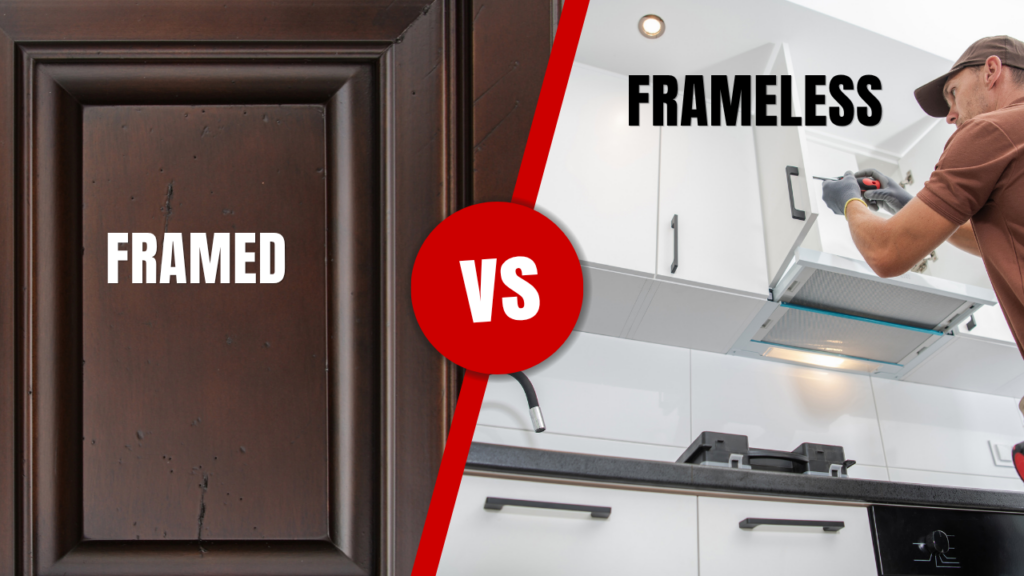
Framed cabinets have a face frame attached to the front of the cabinet box. Frameless cabinets skip this frame, which creates a wider opening and a cleaner look. Both can be durable, attractive, and a good choice for your kitchen.
The better option depends on your kitchen design, storage needs, budget, and personal style. Here is how the two compare.
Quick Takeaways
- Framed cabinets have a face frame attached to the cabinet box.
- Frameless cabinets attach the doors directly to the cabinet box.
- Frameless cabinets provide wider openings and easier access.
- Framed cabinets work well with traditional and transitional designs.
- Frameless cabinets often have a cleaner, more modern appearance.
- Both types can be strong and durable when properly built.
- Materials and construction quality matter more than choosing framed or frameless cabinets.
What Is the Difference Between Framed and Frameless Cabinets?
The main difference is right there in the name. Framed cabinets have a frame around the front of the cabinet box. Frameless cabinets do not.
That small construction difference affects how the doors attach, how much of the cabinet opening you can access, and how the finished cabinets look.
Neither design is automatically better. A high-quality frameless cabinet can outperform a poorly built framed cabinet, and the opposite is also true.
What Are Framed Cabinets?
Framed cabinets have a cabinet box with a wood frame attached to the front. Think of it almost like a picture frame around the cabinet opening.
The cabinet doors and hinges attach to this frame. Framed construction is common in American kitchens and works with a wide range of cabinet styles.
Pros of Framed Cabinets
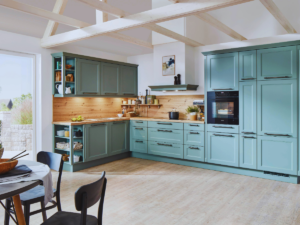 Framed cabinets give homeowners plenty of design flexibility. They work with partial overlay, full overlay, and inset cabinet doors.
The face frame can also add rigidity to the cabinet box. It gives installers more flexibility when dealing with walls and floors that are not perfectly straight.
Framed cabinets are especially popular in traditional and transitional kitchens. However, the right door and finish can make them work in many other designs.
Cons of Framed Cabinets
The frame takes up some space around the cabinet opening. This can make it slightly harder to reach items inside.
Drawers may also be a little narrower because they need to fit within the framed opening. Some double-door cabinets have a center stile that can further restrict access.
These differences are not huge. But they can become noticeable when you are trying to squeeze as much usable space as possible out of a smaller kitchen.
What Are Frameless Cabinets?
Frameless cabinets remove the face frame entirely. The doors and hinges attach directly to the sides of the cabinet box.
You may also hear these called European-style cabinets or full-access cabinets. The full-access name comes from the wider opening created by removing the face frame.
Frameless cabinets often use full-overlay doors. When the doors are closed, very little of the cabinet box remains visible.
Pros of Frameless Cabinets
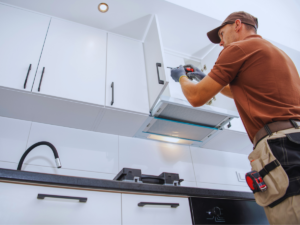 The biggest advantage is access. Without a frame around the opening, you have more room to reach inside the cabinet.
Drawers can also be wider. This gives you a little more usable space, which can make a difference in kitchens where storage is already tight.
Frameless construction also creates clean lines. That makes it a natural fit for modern, contemporary, and minimalist kitchens.
Cons of Frameless Cabinets
Frameless cabinets require precise installation. Because there is no face frame to help compensate for small inconsistencies, the cabinet boxes need to be carefully leveled and aligned.
That can become more challenging when the walls or floors are uneven. Older homes are rarely as square as they look from across the room.
The quality of the cabinet box also matters. Frameless construction relies heavily on the box itself for strength, so good materials and proper construction are important.
Framed vs. Frameless Cabinets: Which Gives You More Storage?
Frameless cabinets generally provide slightly more accessible storage space. Removing the face frame creates a wider opening into the cabinet.
The difference is especially noticeable with drawers. A frameless cabinet can often accommodate wider drawers because there is no frame taking up space along the sides.
Double-door cabinets can also be easier to access. You do not have a center stile sitting between you and the cereal box hiding in the back.
Still, keep the difference in perspective. Frameless construction gives you more usable space, but it will not magically turn a small cabinet into a pantry.
If every inch counts, though, that extra accessibility can be valuable.
Are Framed Cabinets Stronger Than Frameless Cabinets?
Not necessarily.
The face frame adds rigidity to a framed cabinet. That does not mean frameless cabinets are weak.
A properly built frameless cabinet uses the cabinet box itself for structural support. Quality materials, strong joinery, good hardware, and proper installation can produce a cabinet that holds up for many years.
This is why construction quality matters more than the framed versus frameless label. A cheap cabinet is still a cheap cabinet, regardless of how the front is built.
When comparing cabinets, look at the entire product. Pay attention to the box materials, drawer construction, hinges, slides, finishes, and installation quality.
Which Cabinet Style Looks Better?
This comes down to personal preference and the overall design of your kitchen.
Framed cabinets offer more flexibility when you want visible details around the doors. Frameless cabinets hide most of the cabinet box and create tighter, cleaner lines.
Neither look is limited to one specific kitchen style.
Choose Framed Cabinets If You Want…
Framed cabinets are a natural fit for traditional and transitional kitchens. They also work well when you want inset doors or more visible cabinet details.
You can still create a clean look with full-overlay doors. The frame simply gives you more options for how the doors sit on the cabinet.
Choose Frameless Cabinets If You Want…
Frameless cabinets work especially well in modern and contemporary kitchens. Their narrow gaps and full-overlay doors create a smooth, streamlined appearance.
They are also worth considering if storage access is a priority. The wider cabinet and drawer openings can make everyday items easier to reach.
Are Framed or Frameless Cabinets More Expensive?
There is no simple rule that says one type always costs more.
Cabinet prices depend on much more than the construction style. Materials, finishes, hardware, door styles, cabinet sizes, and customization can all have a bigger impact on the final price.
For example, a custom framed cabinet can cost considerably more than a basic frameless cabinet. A premium frameless cabinet can also cost more than a standard framed option.
Installation can affect the total cost as well. Frameless cabinets require careful alignment, especially in kitchens with uneven walls or floors.
Instead of choosing based on the framed or frameless label alone, compare cabinets with similar materials and features. That gives you a much more useful price comparison.
Framed vs. Frameless Cabinets for Houston Homes
Houston homes come in just about every shape, size, and style. The right cabinet construction should fit the house instead of forcing the house to fit the cabinets.
Frameless cabinets can be useful when you want to maximize accessible storage. They are worth considering in smaller kitchens or layouts where every inch needs to work harder.
Framed cabinets offer plenty of flexibility for traditional and transitional homes. They can also make installation easier when walls and floors are not perfectly level.
This becomes especially important during renovations. Once old cabinets come out, you sometimes discover that the wall behind them has its own ideas about what “straight” means.
A custom kitchen design lets you account for those conditions before cabinets are ordered. It also gives you the chance to plan storage around how you actually use your kitchen.
So, Should You Choose Framed or Frameless Cabinets?
Choose framed cabinets if you want more door-style options, traditional or transitional details, inset doors, or greater installation flexibility.
Choose frameless cabinets if you want wider openings, easier storage access, wider drawers, and a clean, streamlined appearance.
But do not let the construction type make the entire decision for you. Cabinet quality, layout, materials, hardware, and installation matter just as much.
The best cabinet is the one that fits your kitchen and the way you use it.
Upgrade Your Houston Kitchen With TriFection Remodeling
 New cabinets can completely change how your kitchen looks and works. But good kitchen design goes beyond choosing between framed and frameless cabinets.
TriFection Remodeling helps Houston-area homeowners plan kitchens around their space, storage needs, style, and everyday routines. From custom cabinetry and smarter layouts to a complete kitchen remodel, we can help you build a kitchen that makes sense for your home.
Contact TriFection Remodeling to start planning custom cabinetry for your Houston home.
Frequently Asked Questions
Are frameless cabinets better than framed cabinets?
Neither type is automatically better. Frameless cabinets offer wider openings and a streamlined look, while framed cabinets provide more design flexibility. Your kitchen layout, style, and storage needs should guide your decision.
Do frameless cabinets have more storage space?
Frameless cabinets generally provide slightly more usable and accessible space because there is no face frame around the opening. They can also accommodate wider drawers.
Are frameless cabinets less durable?
No. A well-built frameless cabinet can be very durable. Materials, cabinet-box construction, hardware, joinery, and installation have a major effect on durability.
Are frameless cabinets more expensive?
Not always. Pricing depends on the cabinet materials, manufacturer, finish, hardware, customization, and installation. Either construction type can range from budget-friendly to high-end.
Can you put inset doors on frameless cabinets?
Traditional inset cabinet doors require a face frame, so they are normally used with framed cabinetry. Frameless cabinets typically use full-overlay doors.
What is full-access cabinetry?
Full-access cabinetry is another name commonly used for frameless cabinetry. Without a face frame blocking part of the opening, homeowners have easier access to the cabinet interior.
Which cabinets are best for a small kitchen?
Frameless cabinets can be a good option for small kitchens because they provide wider openings and slightly more accessible storage. However, the overall cabinet layout usually has a much larger impact on how efficiently a small kitchen uses space.
Can framed and frameless cabinets be used in the same kitchen?
They can, but doing so requires careful planning. Door styles, reveals, finishes, and dimensions need to work together so the kitchen looks intentional rather than mismatched.