

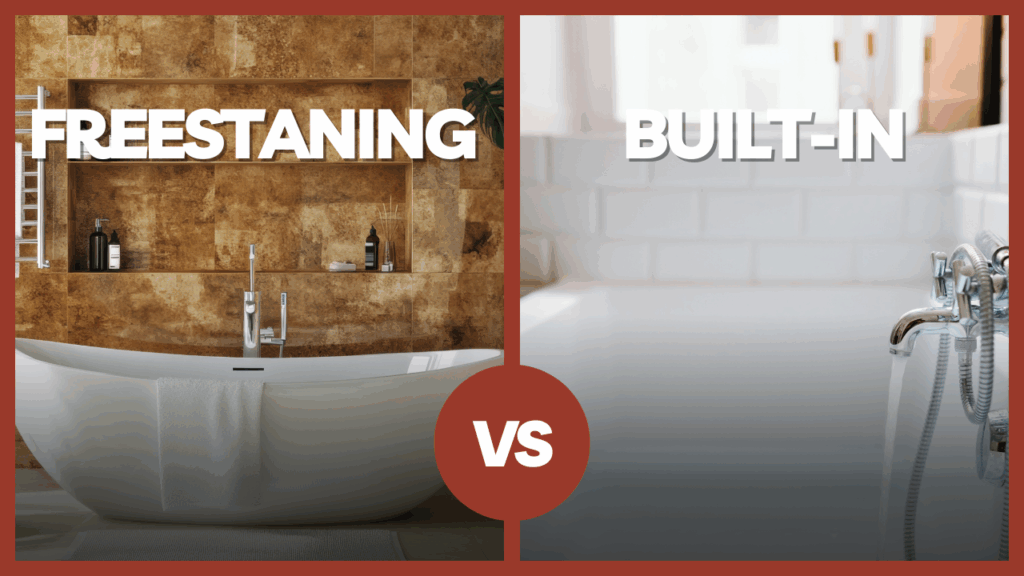
Homeowners in Houston often decide between a freestanding bathtub and a built in tub during a remodel. Each style changes how the bathroom feels, how the room flows, and how the bath and shower work together.
Space, layout, storage needs, and plumbing placement guide most decisions. TriFection installs both styles in homes across Houston, so we see how each tub shapes the final design. Here is a clear way to compare both options before you choose.
Quick Takeaways
- Freestanding tubs offer strong style impact and flexible placement but need more surrounding space.
- Built-in tubs save space, add storage options, and fit smaller bathrooms well.
- Freestanding tubs cost more to install due to floor prep and plumbing adjustments.
- Built-in tubs work better for shower-tub combos and easy cleaning.
- The best choice depends on layout, storage needs, mobility needs, and long-term maintenance goals.
What Is a Freestanding Tub?
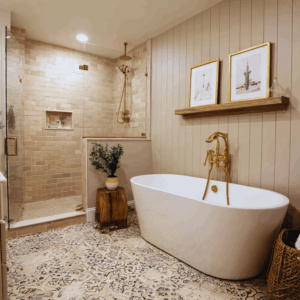 A freestanding bathtub sits alone on the bathroom floor without walls on three sides. Classic clawfoot tubs are one style, but modern versions sit flush with the floor and offer clean lines.
Homeowners choose freestanding tubs because they create a strong focal point and open the room. Shapes vary from oval to square to sculptural forms.
Cast iron tubs feel solid and last for decades. Acrylic tubs offer lighter weight and easier placement. This type of tub works well in bathrooms with open floor plans.
What Is a Built-In Tub?
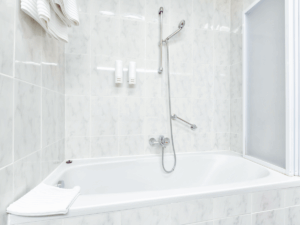 A built in bathtub sits inside an alcove or a framed deck. The walls on three sides hold the tub in place, and the edges sit flush with tile or stone. This style fits compact Houston homes because the tub requires less open floor.
Built-in designs also support storage ledges and surfaces for soap, shampoo, and décor. A built in bath works well when you want a bath and shower in the same space. A shower curtain or glass panel completes the setup.
Pros and Cons of Freestanding Tubs
Freestanding tubs carry strong design appeal and create a clear centerpiece in the room.
Pros
- Strong visual appeal and sculptural design.
- Flexible placement in larger bathrooms.
- Creates a spa-like focal point.
- Works well with luxury finishes and open layouts.
Cons
- Higher installation costs.
- Requires more surrounding floor space.
- Harder to clean around the base.
- Limited compatibility with shower-tub combos.
Pros and Cons of Built-In Tubs
Built-in tubs offer steady function and help save space in tight rooms.
Pros
- Space-efficient, ideal for smaller rooms.
- Easier to clean due to enclosed sides.
- Supports deck-mounted storage and shelving.
- Works well with shower-tub combos.
- More affordable installation.
Cons
- Less dramatic visual impact.
- Fixed placement based on wall layout.
- Limited shapes compared to freestanding tubs.
Freestanding vs Built-In Tub: Key Differences
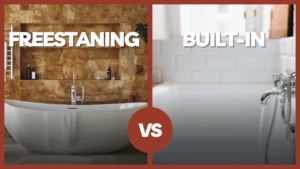 Freestanding vs built means two different approaches to bathroom space. Freestanding tubs need open floor because the tub requires clearance on all sides. A built in tub fits corners or alcoves and keeps the layout tight.
Installation costs differ because freestanding tubs often need plumbing adjustments or stronger floor support. Cleaning differs as well.
Built-ins are easier to clean because the sides sit flush with walls. Freestanding tubs need more reach and more movement around the base.
Built-ins offer more surface area for storage. Freestanding tubs offer more visual impact. Your choice depends on mobility needs, long-term maintenance expectations, and the room’s design goals.
Which Tub Fits a Small Bathroom?
A built in tub fits best in small rooms. The enclosed design saves space and makes the bathroom feel organized. It works in corners or alcoves and supports a bath and shower combo.
A smaller freestanding tub can work, but only when the room has clear sightlines and enough floor for movement. Building code and plumbing access also limit placement. In most tight rooms, a built in style opens the layout more than a freestanding tub.
Which Tub Fits a Large Bathroom?
A freestanding bathtub shines in large bathrooms. The open layout gives the tub room to stand on its own. You can place it near windows, angle it for style, or center it in the room.
The key is balance. Too much empty space can make the tub look lost. Many homeowners add a small table or rug to create a clear zone around the tub.
Cost Comparison: Freestanding vs Built-In Tubs
Tub price ranges overlap, but installation costs do not. Freestanding tubs often need extra plumbing work and stronger support under the bathroom floor.
Built-in tubs need framing, tile, and waterproofing around the edges. Tile choices, surrounds, and finishes change the final cost. Maintenance over time stays lower with built-in tubs because the sides stay protected and easier to clean.
Style and Design Considerations
Freestanding tubs support modern, spa-like, or luxury designs. Built in tubs support traditional, transitional, or family-focused designs.
Materials vary. Cast iron tubs feel classic and durable. Acrylic tubs feel lighter and easier to place.
Each choice shapes resale perception because buyers notice style consistency and bathroom space flow.
When to Choose a Freestanding Tub
Choose a freestanding tub when you want a strong visual centerpiece, have enough floor space, and enjoy long baths. This style fits homeowners who want quiet moments and open layouts.
When to Choose a Built-In Tub
Choose a built in tub when you want space savings, easy cleaning, or a bath and shower in one area. Families often prefer built-ins for daily use and safety.
How TriFection Helps Houston Homeowners Choose the Right Tub
TriFection guides homeowners through tub selection based on space, function, and style. We design layouts that improve room flow and use custom carpentry to frame built in tubs or support freestanding tubs.
We handle tile work, plumbing needs, and finish details. Our experience with Houston home styles helps every project run smoothly.
FAQ: Freestanding vs Built-In Tub
Is a freestanding tub more expensive than a built-in tub?
Yes. Installation usually costs more due to plumbing and floor support.
Which tub style is easier to clean?
Built-in tubs are easier to clean because the sides sit flush with walls.
Can a freestanding tub work in a small bathroom?
It can, but the room must have enough floor space and open sightlines.
Do freestanding tubs increase home value?
They can add appeal in larger bathrooms with open layouts.
Which tub is better for families with kids?
Built-in tubs work better for bathing children and for daily use.
Ready to Install the Right Tub? Contact TriFection
 If you want clear guidance on the right tub for your space, TriFection can help. We remodel bathrooms across Houston and design layouts that fit your needs.
We offer custom storage, tile work, and finish options to support any style. Explore our bathroom remodeling services to plan your next project.