


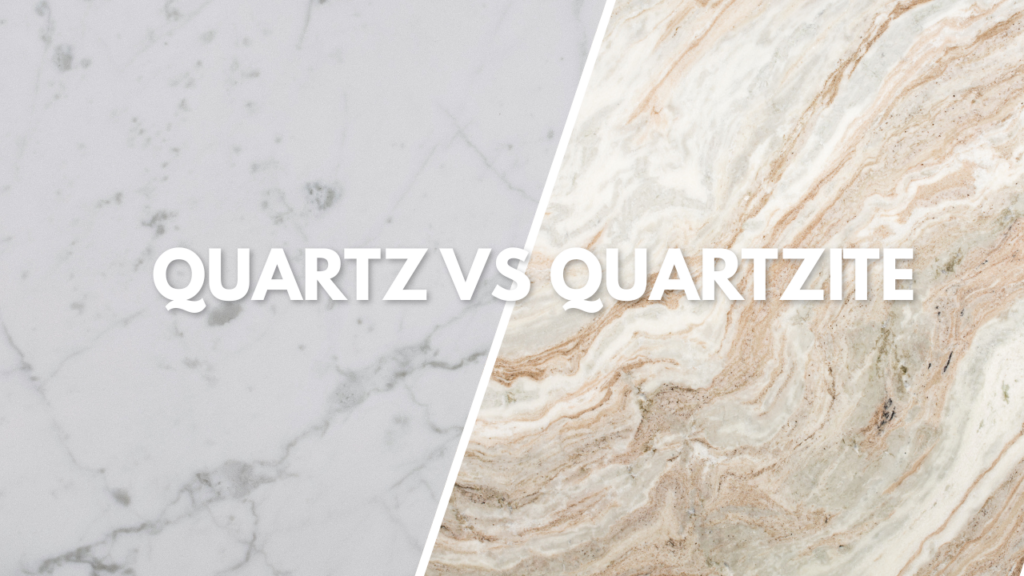
 Walk into a countertop showroom and you’ll quickly notice something confusing: quartz and quartzite sound almost identical. Many homeowners assume they’re the same countertop material. They are not.
Quartz is an engineered stone made from crushed quartz, resins and pigments. Quartzite is a natural stone formed when sandstone undergoes intense heat and pressure deep within the earth.
Both materials are popular choices for kitchen countertops because they offer durability, beauty, and long-term value. However, there are important differences when it comes to maintenance, heat resistance, appearance, and cost.
If you are choosing between quartz and quartzite for a kitchen remodel, knowing the differences can help you choose well.
Quick Takeaways
- Quartz is engineered and requires less maintenance.
- Quartzite is a natural stone with exceptional durability.
- Quartz does not require sealing.
- Quartzite offers superior heat resistance.
- Both materials are excellent choices for kitchen remodels.
- The best option depends on your lifestyle, budget, and design goals.
Quartz vs Quartzite at a Glance
| Feature | Quartz | Quartzite |
|---|---|---|
| Composition | Engineered stone made from quartz, resins and pigments | Natural stone formed from sandstone |
| Appearance | Consistent patterns and colors | Unique natural veining |
| Scratch Resistance | Very Good | Excellent |
| Heat Resistance | Good | Excellent |
| Stain Resistance | Excellent | Very Good |
| Maintenance | Low | Moderate |
| Cost Per Square Foot | Moderate to High | High |
| Lifespan | 20-30+ Years | 30-50+ Years |
| Best For | Busy families and low-maintenance kitchens | Luxury kitchens and natural stone lovers |
What Is Quartz?
Quartz countertops are one of the most popular engineered surfaces available today.
Although quartz contains natural minerals, it is an engineered product. It is made by mixing crushed quartz with resins and pigments. The result is a durable countertop material that delivers a consistent appearance and impressive performance.
Unlike natural stones like marble or granite, quartz countertops do not contain the natural imperfections that occur in quarried slabs. Manufacturers can create everything from solid colors to realistic stone-look designs.
One reason quartz remains so popular is its low maintenance requirements. Since quartz is an engineered stone with a nonporous surface, it does not require sealing to prevent staining.
Benefits of quartz include: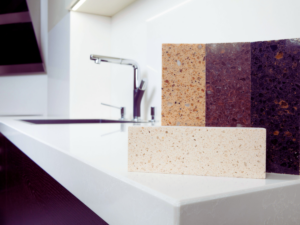
- Excellent stain resistance
- Low maintenance
- Wide variety of colors and styles
- Consistent appearance
- Strong durability
Quartz works well in nearly any kitchen design, from contemporary spaces to traditional remodels.
What Is Quartzite?
Quartzite is a natural stone that begins as sandstone.
Over millions of years, intense heat and pressure transform sandstone into an extremely dense and durable stone. This process creates the beautiful veining and natural movement that homeowners love.
Because quartzite is a natural stone, every slab is unique. No two countertops look exactly alike.
Many homeowners choose quartzite because it offers the luxurious appearance of marble while providing significantly greater durability. In fact, quartzite is often one of the most scratch resistant countertop materials available.
Unlike quartz, however, quartzite is porous. Most quartzite countertops require sealing to prevent staining and protect the surface from moisture penetration.
Benefits of quartzite include: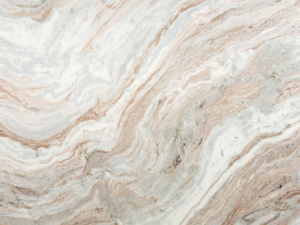
- Natural beauty
- Excellent durability
- Superior heat resistance
- Highly scratch resistant surface
- Unique patterns and veining
Quartzite is especially popular in high-end kitchen remodels where homeowners want an authentic natural stone appearance.
Quartz vs Quartzite: Side-by-Side Comparison
Appearance
Appearance is often the first factor homeowners consider when choosing between quartz and quartzite.
Quartz offers consistency. Because manufacturers control the manufacturing process, quartz countertops feature predictable colors, patterns, and veining. This makes it easier to match cabinets, flooring, and backsplashes.
Quartzite offers a more natural look. The veining, movement, and color changes come from nature, creating a unique look. Many homeowners find it hard to match with engineered surfaces.
If you want uniformity, quartz wins. If you want a unique natural stone statement piece, quartzite wins.
Durability
Both materials are highly durable and perform exceptionally well in residential kitchens.
Quartz resists daily wear and tear, making it an excellent option for busy households. Quartzite is even harder and often ranks among the most durable natural stone surfaces available.
When comparing quartz vs quartzite strictly on durability, quartzite holds a slight edge.
Scratch Resistance
Quartz countertops provide very good scratch resistance under normal kitchen use.
However, quartzite’s natural hardness gives it superior scratch resistance. Quartzite is a natural stone that can withstand years of heavy use with minimal visible wear.
For homeowners prioritizing a scratch resistant countertop surface, quartzite is the better choice.
Heat Resistance
Heat resistance is one of the biggest differences between these materials.
Excessive temperatures can damage the resins in quartz. While normal kitchen tasks rarely cause problems, placing very hot cookware on quartz can cause stains or cracks.
Quartzite handles heat much better. Because quartzite is a natural stone formed by intense heat and pressure, it tolerates hot pots and pans more effectively.
For heat resistance, quartzite is the clear winner.
Stain Resistance
Quartz offers excellent stain resistance.
Its nonporous surface helps prevent staining from coffee, wine, cooking oils, and common kitchen spills. Since quartz does not absorb liquids, cleanup is simple.
Quartzite also performs well but typically requires sealing to prevent moisture penetration and staining.
When it comes to stain resistant performance, quartz generally has the advantage.
Maintenance Requirements
When comparing quartz vs quartzite, maintenance is often the deciding factor.
Quartz is one of the easiest countertop materials to own. Because quartz is an engineered stone with a nonporous surface, it does not require sealing. Most homeowners simply wipe the surface with mild soap and water to keep it looking its best.
Quartzite requires more attention. Since quartzite is a natural stone, it can absorb liquids if left unsealed. Most manufacturers recommend sealing to prevent moisture penetration and help prevent staining.
To clean quartzite countertops, use a pH-neutral stone cleaner and follow the manufacturer’s maintenance recommendations.
If low maintenance is your top priority, quartz is the clear winner.
Cost
Cost can vary significantly depending on the brand, slab selection, edge profile, and installation complexity.
Quartz countertops typically range from moderate to high in price, while quartzite often falls into the premium category because it is quarried, transported, fabricated, and installed as a natural stone product.
On average, homeowners can expect quartzite to cost more per square foot than quartz.
However, pricing varies by project. Compare the actual slab selections, not just national averages.
Lifespan
Both materials offer impressive longevity.
Quartz countertops commonly last 20 to 30 years or longer with proper care. Quartzite often lasts 30 to 50 years or more, thanks to its exceptional natural durability.
Neither material should require replacement under normal residential use for decades.
If maximum lifespan is your goal, quartzite has the edge.
Quartz vs Quartzite Pros and Cons
Quartz Pros
Quartz remains one of the most popular kitchen countertops for several reasons.
- Does not require sealing
- Excellent stain resistance
- Consistent appearance
- Wide selection of colors and styles
- Low maintenance requirements
- Durable and family-friendly
Quartz Cons
No countertop material is perfect.
- Lower heat resistance than quartzite
- Can be damaged by excessive heat
- Less natural variation than quarried stone
- May not appeal to homeowners seeking an authentic natural stone look
Quartzite Pros
Quartzite offers many advantages for homeowners who love natural stone.
- Beautiful natural veining
- Exceptional durability
- Highly scratch resistant
- Excellent heat resistance
- Long lifespan
- Unique slab-to-slab appearance
Quartzite Cons
Quartzite’s beauty comes with additional responsibilities.
- Requires sealing to prevent staining
- Higher maintenance requirements
- Typically costs more per square foot
- Availability may be limited depending on the desired color and pattern
Which Countertop Is Best for Your Lifestyle?
The best countertop material depends on how you use your kitchen and what matters most to you.
Best for Busy Families
Quartz is often the best choice for active households.
Its nonporous surface resists stains, requires minimal maintenance, and stands up well to everyday kitchen activities.
Best for Low Maintenance
Quartz wins again.
Because quartz countertops do not require sealing and are easy to clean, they are ideal for homeowners who want beautiful surfaces without ongoing upkeep.
Best for Luxury Kitchens
Quartzite shines in luxury kitchen designs.
Its natural movement, unique veining, and premium appearance make it a favorite among homeowners seeking a high-end look.
Best for Serious Home Cooks
Quartzite offers superior heat resistance and exceptional durability.
If your kitchen sees constant cooking, baking, and entertaining, quartzite can handle the demands of a busy culinary environment.
Best Long-Term Value
Both materials provide excellent value, but in different ways.
Quartz delivers lower maintenance costs over time. Quartzite offers unmatched natural beauty and longevity. The better value depends on your priorities and how long you plan to stay in your home.
FAQs
Is quartz better than quartzite?
Neither material is universally better. Quartz is often preferred for low maintenance and stain resistance, while quartzite is favored for natural beauty and heat resistance.
Which countertop lasts longer, quartz or quartzite?
Quartzite typically lasts longer. Many quartzite countertops remain in excellent condition for 30 to 50 years or more, while quartz commonly lasts 20 to 30 years or longer.
Does quartzite require sealing?
Yes. Because quartzite is a natural stone, most installations require periodic sealing to prevent staining and moisture absorption.
Can you put hot pans on quartz countertops?
It is not recommended. The resins used in engineered stone can be damaged by excessive heat. Using trivets or hot pads is the safest approach.
Is quartzite more expensive than quartz?
In most cases, yes. Quartzite generally costs more per square foot because it is a quarried natural stone that requires additional fabrication and installation work.
Which countertop is easier to maintain?
Quartz is easier to maintain because it does not require sealing and offers excellent stain resistance.
Does quartzite increase home value?
Quartzite can enhance perceived value because it is a premium natural stone. However, both quartz and quartzite are desirable features in modern kitchens.
Which is best for a kitchen remodel?
The answer depends on your goals. Homeowners prioritizing convenience often choose quartz. Homeowners seeking authentic natural stone beauty frequently choose quartzite.
Design the Perfect Kitchen With TriFection
 Choosing between quartz and quartzite is only one part of creating a kitchen you’ll love for years. The right countertop should complement your cabinetry, layout, lighting, and daily routine.
Whether you prefer the low-maintenance performance of engineered surfaces or the timeless appeal of natural stones like marble or granite, selecting the right countertop material can dramatically impact the function and appearance of your space.
If you’re planning a kitchen remodel in Houston or the surrounding areas, TriFection can help you compare countertop materials, explore design options, and create a space that balances beauty, durability, and function.
Our team specializes in custom kitchen remodeling solutions tailored to the way you live. Contact TriFection today to schedule a consultation and discover which countertop is the perfect fit for your dream kitchen.