

Building a room addition means expanding your home’s square footage to create new living space. It requires planning, coordination, and decisions that affect structure, cost, and code compliance.
This is not an inspiration piece. This is a planning and execution checklist that shows what actually matters.
Quick Takeaways
- Building a room addition starts with clear goals, not drawings
- Budget, zoning, and setbacks must be confirmed before design
- Permits and inspections are unavoidable in Houston-area remodels
- Design must match structure, rooflines, and existing systems
- Hiring the right remodeling contractor prevents delays and cost overruns
- Final inspections and punch lists protect your investment
What Does “Building a Room Addition” Actually Mean?
Building a room addition means adding new square footage to your home by extending its footprint or vertical structure. This is different from a bump-out, which adds limited space, or an ADU, which functions as a separate dwelling. It is also not the same as a renovation, which only changes existing rooms.
Common room additions include a bedroom, living room, home office, or in-law space. Room additions are more complex than interior remodels. They impact foundations, rooflines, building codes, and utilities all at once.
Step-by-Step Checklist for Building a Room Addition
Building a room addition follows a sequence. Skipping steps causes delays, cost overruns, or failed inspections.
Step 1 – Define the Purpose of the Room Addition
Start with use, not size. Decide how the room supports daily life. A living room used every day needs different planning than a guest room used twice a year.
Think about future flexibility. A room that works for aging parents or resale has more long-term value.
Step 2 – Set a Realistic Budget Range
A room addition budget includes construction, design, permits, inspections, and finish work. Many homeowners focus on square foot cost alone. That mistake causes delays.
Set aside contingency funds. Under-budgeting forces design changes mid-project and increases total cost instead of helping you save money.
Step 3 – Check Zoning Rules, Setbacks, and HOA Requirements
Confirm property lines before design begins. Setbacks limit how close you can build to lot boundaries. Height and footprint rules also apply.
Some neighborhoods require HOA approval. Houston-area permitting adds another layer. Zoning errors stop projects after money is spent.
Step 4 – Evaluate Your Home’s Structure and Systems
Your foundation must support added square footage. Rooflines must carry new load paths. HVAC systems may not handle added living space. Plumbing and electrical capacity also matter.
Structural limits define what is possible, not design preferences.
Step 5 – Design the Room Addition to Match Your Home
The new space must connect to existing layout without awkward transitions. Exterior materials should match or complement the original structure.
Roof style alignment prevents drainage issues. Natural light placement affects comfort more than room size. Design choices affect both function and resale.
Step 6 – Hire the Right Room Addition Contractor
Room additions require coordination between design and construction. A design-build contractor reduces handoff errors. Verify licensing, insurance, and local experience.
The contractor should manage permits and inspections. This is where TriFection fits. We handle planning, code compliance, and construction under one process.
Step 7 – Secure Permits and Schedule Inspections
Permits typically cover foundation work, framing, electrical, plumbing, and mechanical systems. Inspections occur at multiple stages. Timelines depend on scope and city review.
Skipping permits risks fines, stop-work orders, and resale issues. Shortcuts cost more later.
Step 8 – Prepare Your Home for Construction
Living through construction requires planning. Access routes may change. Noise and dust affect daily routines.
Contractors should protect existing spaces and maintain clear work zones. Preparation reduces stress and prevents damage to finished areas.
Step 9 – Build the Room Addition
Construction starts with foundation and framing. Mechanical rough-ins follow. Insulation, drywall, and finishes complete the space.
Homeowners should expect inspections at key points. Progress depends on coordination, not speed.
Step 10 – Final Inspection and Punch List
Final inspections confirm code compliance. The punch list addresses cosmetic fixes and minor adjustments.
Documentation includes permits, approvals, and warranties. This step closes the home improvement project properly.
Common Mistakes Homeowners Make When Building a Room Addition
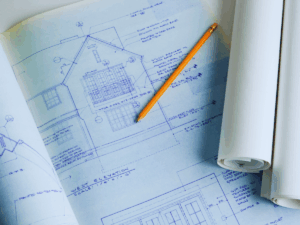 Most problems with room additions come from early decisions, not construction itself. Homeowners rush planning, overlook constraints, or focus on cost before structure. Those choices surface later as delays, comfort problems, and added expense.
- Designing the addition before confirming zoning and setbacks
- Ignoring HVAC capacity and airflow requirements
- Choosing the lowest bid without reviewing scope or experience
- Underestimating how long design, permits, and inspections take
- Failing to consider how the addition affects future resale
How Long Does It Take to Build a Room Addition?
Building a room addition takes time because each phase depends on the one before it. Planning often takes several months once design, permits, and approvals are involved.
Construction timelines then vary based on square footage, structural changes, and weather. Projects slow down when early steps are rushed. Projects move smoothly when planning is done correctly.
FAQ About Building a Room Addition
How much does it cost to build a room addition?
Cost depends on square foot size, structural changes, materials, and systems. Design complexity and building codes also affect price. Larger additions with mechanical upgrades cost more.
Do I need permits to build a room addition in Houston?
Yes. Permits cover structural, electrical, plumbing, and mechanical work. The contractor should handle permit submission and inspections.
Can I live in my home during a room addition project?
It depends on scope and layout. Some projects allow occupancy with limited disruption. Others require temporary relocation. Contractors reduce impact by isolating work zones.
What’s the difference between a room addition and a bump-out?
A room addition adds full square footage with structural changes. A bump-out adds limited space without major foundation or roof changes.
Does a room addition increase home value?
It can. Value depends on design quality, layout integration, and market demand. Poor design limits return. Well-built additions increase usable living space and appeal.
Start Planning Your Room Addition With Confidence
 Building a room addition works best when planning comes first. Clear goals, proper permits, and experienced contractors prevent mistakes.
If you are considering a home addition in Houston, TriFection can help you plan it correctly from day one—before costly mistakes happen.