



 In most bathroom renovations, the biggest cost is labor. This is especially true for plumbing changes. The wet area also adds to the cost because of waterproofing and tile work.
These two areas usually set the pace for the overall cost of a bathroom project.
This guide explains the costly aspects of remodeling a bathroom, why labor and plumbing dominate, and how you can manage expenses without sacrificing quality.
Key Cost Drivers in Bathroom Remodels
Every bathroom renovation carries different expenses, but several categories consistently shape the overall cost. Understanding these drivers helps you prepare for high-cost surprises and make cost-effective choices.
1. Labor—Often the Single Biggest Expense
Labor costs usually make up 40–70% of bathroom remodel expenses. Skilled trades drive this percentage. A bathroom project requires plumbing and electrical work, tile installation, and waterproofing that must meet strict building codes.
Because labor covers multiple specialties, contractors must coordinate different schedules and inspections. This explains why labor is usually the most expensive part of a bathroom renovation.
2. Plumbing and Layout Changes
Moving plumbing fixtures such as sinks, toilets, or showers is one of the most expensive parts of remodeling a bathroom. Each change requires rerouting water lines and drains, which is both time-intensive and labor-heavy.
These changes also require following plumbing codes and inspections. Sometimes, they need concrete cutting in older homes with slab foundations.
Upgrading old pipes can raise bathroom remodel costs. This can happen if you find corrosion or water damage during the project, even without moving anything major.
Why Labor + Plumbing Often Outweigh All Other Costs
Labor covers every stage of the project: demolition, installation, electrical adjustments, waterproofing, tiling, and finishing. Skilled trades require licensing, and inspections ensure that plumbing and electrical work meet building codes. Because labor accounts for such a wide range of tasks, any delays or mistakes multiply the overall cost.
Plumbing adds another layer of expense. It is a regulated trade that requires expertise, precision, and time. You cannot reroute pipes or install new drains quickly or cheaply.
Together, labor and plumbing explain why these categories consistently outweigh other costs in a bathroom renovation.
Secondary High-Cost Areas
Labor and plumbing costs are high, but other parts of a bathroom remodel can also be expensive. This is especially true if you choose high-quality materials or premium finishes.
Tile, Waterproofing & Wet Area Work
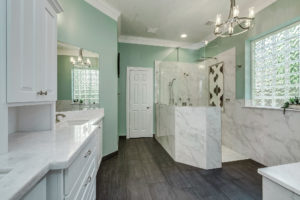
The wet area is one of the most expensive parts of remodeling a bathroom. Showers and tubs need waterproof membranes, drains, ventilation, and extensive tile coverage.
Intricate tile designs, stone finishes, or floor-to-ceiling tile raise both material and labor costs. The types of tile chosen—porcelain, ceramic, marble, or natural stone—affect the final price. Labor adds more expense because tile installation is slow, precise, and unforgiving.
Fixtures, Cabinets & Countertops
Fixtures like faucets, showerheads, and light fixtures can become costly if chosen at the premium level. Custom cabinets or vanities with granite or quartz countertops add another layer of expense.
These items might not cost as much as labor or plumbing. However, they still increase the total cost of a bathroom renovation. For homeowners building a dream bathroom, these finishes often drive up the final bill.
Average Cost of Bathroom Remodel Nationally
Independent cost studies, like Modernize, show that the average bathroom remodel costs between $3,000 and $30,000. The price depends on the project’s size.
The wide range reflects the difference between small updates and full bathroom renovations with new plumbing and electrical work. Regardless of size, labor costs and plumbing changes dominate the final total.
How to Control These Major Costs
Bathroom remodel costs can rise quickly, but strategic planning helps you reduce the high cost while still creating a high-quality space.
- Plan the layout ahead. Avoid moving sinks or toilets if possible, since plumbing relocations are expensive.
- DIY non-skilled tasks. Painting, removing old cabinets, or basic demolition can reduce labor costs.
- Get multiple bids. Comparing quotes ensures you don’t overpay for plumbing and electrical work.
- Select cost-effective tiles. Porcelain or ceramic offer durability without the price of natural stone.
- Reuse fixtures or cabinetry. Refinishing an older vanity or reusing light fixtures saves money without hurting design.
- Check for tax deductions or rebates. Energy-efficient upgrades or water-saving fixtures may qualify for incentives that lower your overall cost.
These steps help balance the expensive part of a bathroom remodel with practical savings.
Build Your Dream Bathroom with TriFection
 Labor and plumbing are the most costly parts of a bathroom remodel. This is especially true in older homes.
In these homes, plumbing and electrical work often need upgrades to meet current building codes. Strategic planning, cost-effective choices, and smart reuse of fixtures can help keep your overall cost manageable.
If you want to create your dream bathroom in Houston, TX, or nearby, TriFection offers top-notch remodeling services. Our team has the experience you can trust.
From handling labor costs efficiently to guiding you on cost-effective design choices, we ensure your bathroom renovation meets your goals without unnecessary expense.